

Breakfast in Asia: How Morning Meals Differ Across the Continent
Melissa da CostaBreakfast in Asia is less a single “type” of meal and more a mirror of local history, climate, religion, agriculture, and daily routines. In some places it’s light and sweet; in others it’s a full savoury spread. In many regions, breakfast looks surprisingly similar to lunch or dinner: warm, comforting, and built around rice, noodles, breads, or soups.
Below is a guided tour of typical breakfasts across Asia, with a focus on what people eat, why those foods make sense locally, and the patterns that connect (and separate) different regions.
Why breakfasts vary so much in Asia
A few big factors shape what a “normal” breakfast looks like:
- Staple crops: Rice dominates in much of East and Southeast Asia; wheat and flatbreads are common across Central and South Asia; millet and other grains appear in certain regions.
- Climate and lifestyle: Hot breakfasts like soups, porridges, and broths are common in cooler climates or where a hearty meal is needed before physical work.
- Religion and dietary norms: Halal, vegetarian traditions, and fasting practices influence ingredient choices and cooking methods.
- Street food culture: In many Asian cities, breakfast is bought outside: quick, warm, and made fresh.
- Colonial and trade influences: Toast, eggs, coffee, and pastries appear in some places because of historical links to Europe, but are often adapted into local flavours.
East Asia: warm, savoury, and often soup-based
China
Chinese breakfasts vary widely by region, but a few classics appear again and again:
- Congee (rice porridge) paired with pickles, century egg, or fried dough
- Youtiao (fried dough sticks) dipped into soy milk
- Baozi (steamed buns) with savoury fillings
- Noodle soups in many northern and western areas
Why it fits: Warm, comforting foods are easy on the stomach, and many items are designed for quick street-side eating.

Image: https://www.chndiet.com/
Japan
A traditional Japanese breakfast can look like a small, balanced set meal:
- Steamed rice
- Miso soup
- Grilled fish
- Pickles
- Tamago (egg), tofu, or natto (fermented soybeans)
Modern breakfasts can also include toast, coffee, and yoghurt, but the classic structure remains: small portions, savoury, and varied.
Why it fits: The meal is built around rice and simple side dishes, reflecting a long-standing focus on balance and seasonality.

Image: int.japanesetaste.com
Korea
Korean breakfasts often resemble other meals of the day:
- Rice + soup/stew
- Kimchi and banchan (side dishes)
- Sometimes eggs, grilled fish, or tofu
On-the-go options include kimbap, pastries, or convenience-store meals, but at home, a savoury spread is common.
Why it fits: Fermented sides and soups are practical, nutrient-dense, and rooted in pantry-friendly ingredients.
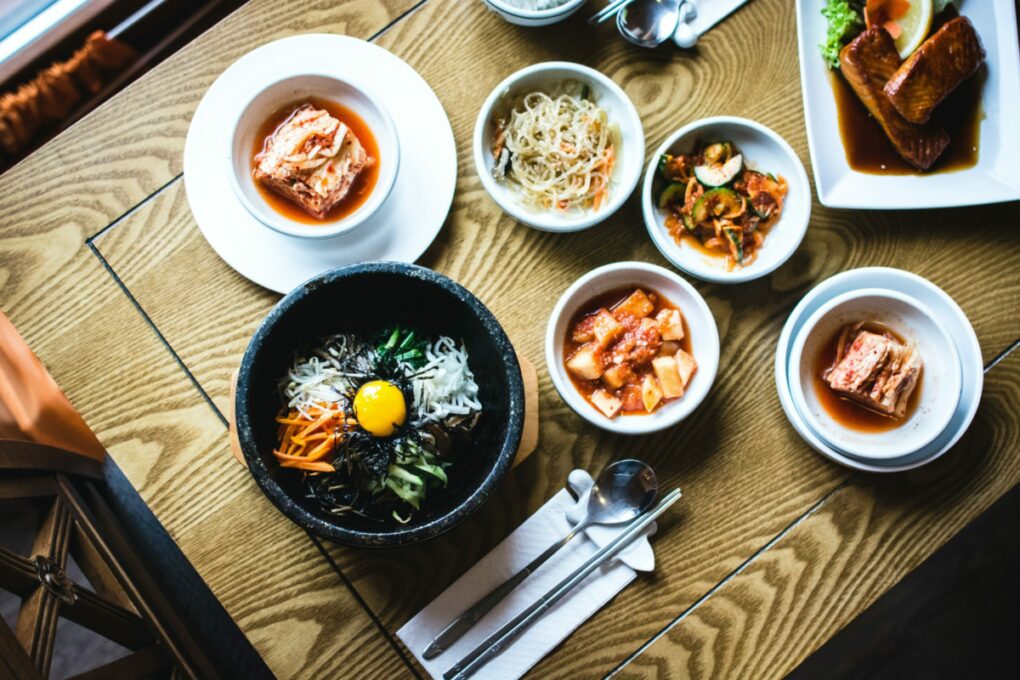
image: seoulkoreaasia.com
Southeast Asia: bold flavours, herbs, and street breakfasts
Vietnam
Vietnamese breakfasts are famous for being fragrant and soup-forward:
- Phở (noodle soup) is a major staple in many areas
- Bánh mì (baguette sandwich) for a quicker, handheld option
- Sticky rice dishes and sweet soybean drinks also appear
Why it fits: Fresh herbs, broths, and bright flavours work well in a humid climate and are widely available in morning markets.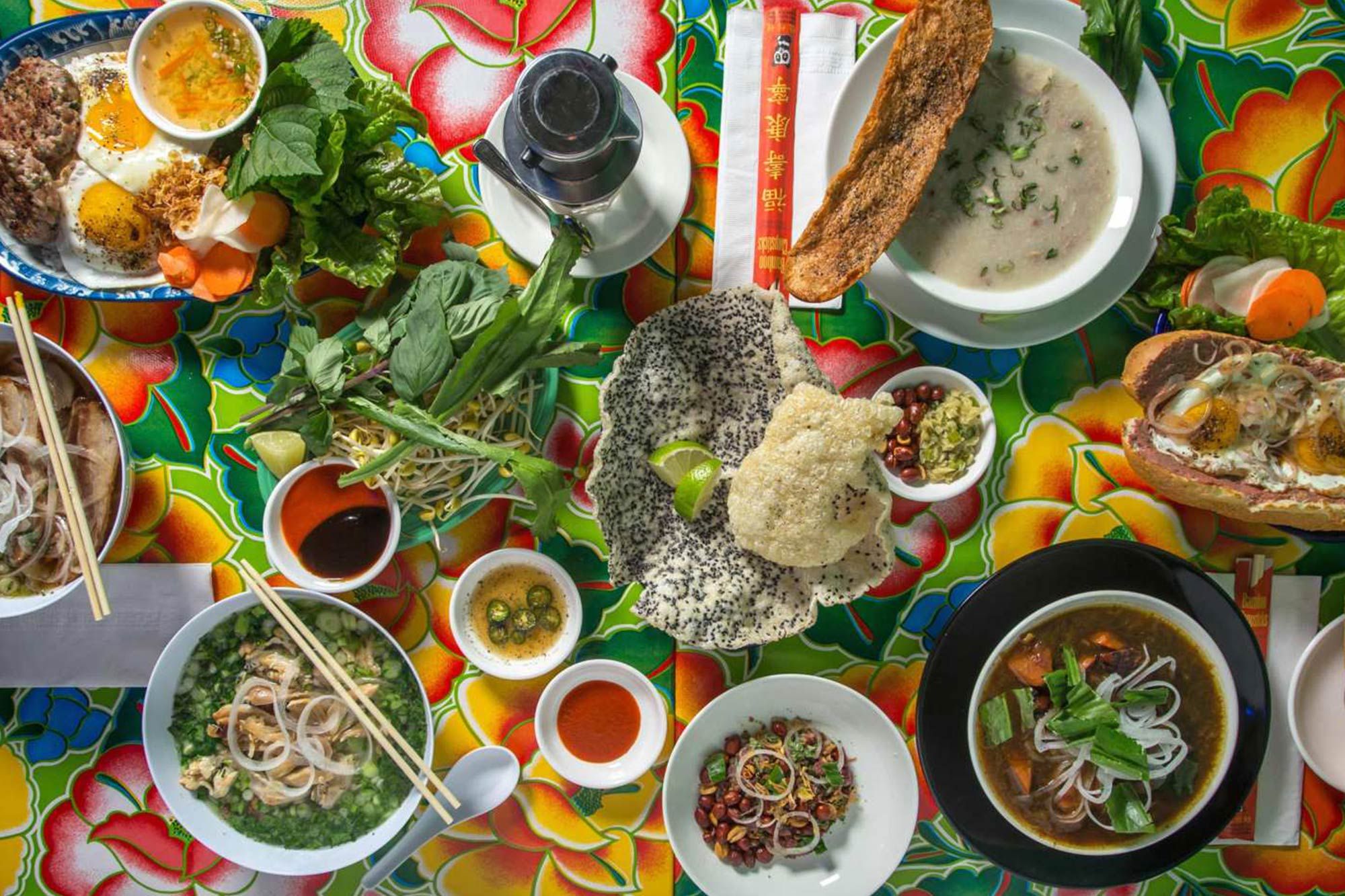
Image: vietcetera.com
Thailand
Thai breakfasts are often savoury and can be quite spicy:
- Jok (rice porridge) with pork, egg, ginger
- Khao tom (rice soup)
- Grilled pork with sticky rice
- Patongo (fried dough) with condensed milk in some places
Why it fits: Warm rice dishes are filling, inexpensive, and easy to customise for street vendors and home cooks.
Image: www.thai-food-online.co.uk
Malaysia & Singapore
Breakfast here often reflects a mix of Chinese, Malay, and Indian influences:
- Kaya toast with soft-boiled eggs and coffee
- Nasi lemak (coconut rice, sambal, peanuts, egg, anchovies)
- Roti canai with curry
- Mee dishes and dumplings depending on neighbourhood and culture
Why it fits: Multi-cultural food traditions plus strong café and hawker-centre culture create a huge breakfast range.

Image: guide.michelin.com
Indonesia
Popular breakfasts include:
- Nasi goreng (fried rice)
- Bubur ayam (chicken congee)
- Lontong (rice cakes) with rich sauces
- Sweet tea and fried snacks are common add-ons
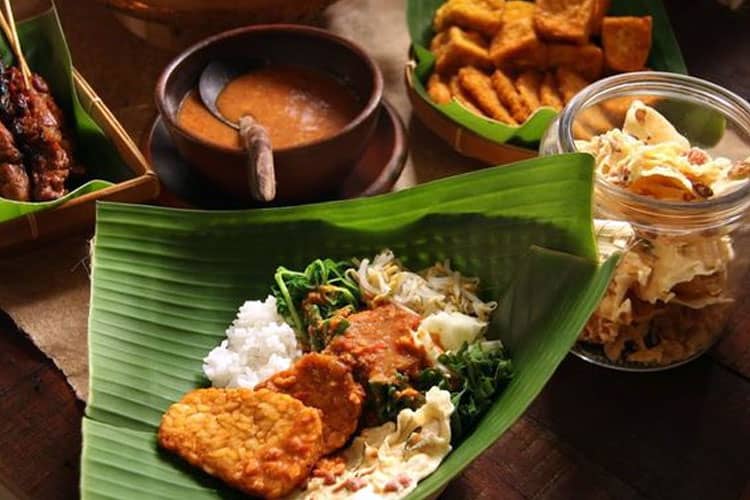 Image: timesindonesia.co.id
Why it fits: Rice-based meals are adaptable, satisfying, and often rely on ingredients already prepared for the day.
The Philippines
Breakfast is often hearty and can be sweet-savoury:
- Silog meals (garlic fried rice + egg + a protein like tapa, longganisa, or tocino)
- PandesaI bread with spreads
- Noodle dishes and soups in some regions
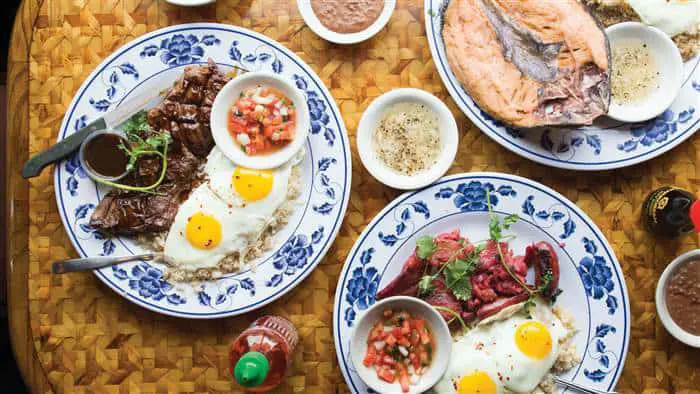
Image: www.chefspencil.com
Why it fits: A substantial breakfast matches long workdays and a strong tradition of rice-based meals.
South Asia: breads, spices, and regional breakfasts that change dramatically by state
South Asian breakfasts vary hugely between north and south, coastal and inland.
India (very region-dependent)
North India:
- Paratha with yoghurt, pickles, or butter
- Poha (flattened rice) in some regions
- Chole bhature can even be a breakfast food in certain areas

Image: blog.swiggy.com
South India:
- Idli (steamed rice cakes) with sambar and chutneys
- Dosa (crispy fermented crepe) with fillings
- Upma (savoury semolina dish)

Image: www.reddit.com/r/IndianFood
Why it fits: Fermentation is common in the south for flavour and texture; wheat breads are more common in the north due to climate and crops.
Pakistan
Common breakfasts include:
- Paratha with egg, yoghurt, or pickle
- Halwa puri (a festive or weekend-style breakfast)
- Tea is central, often strong and milky
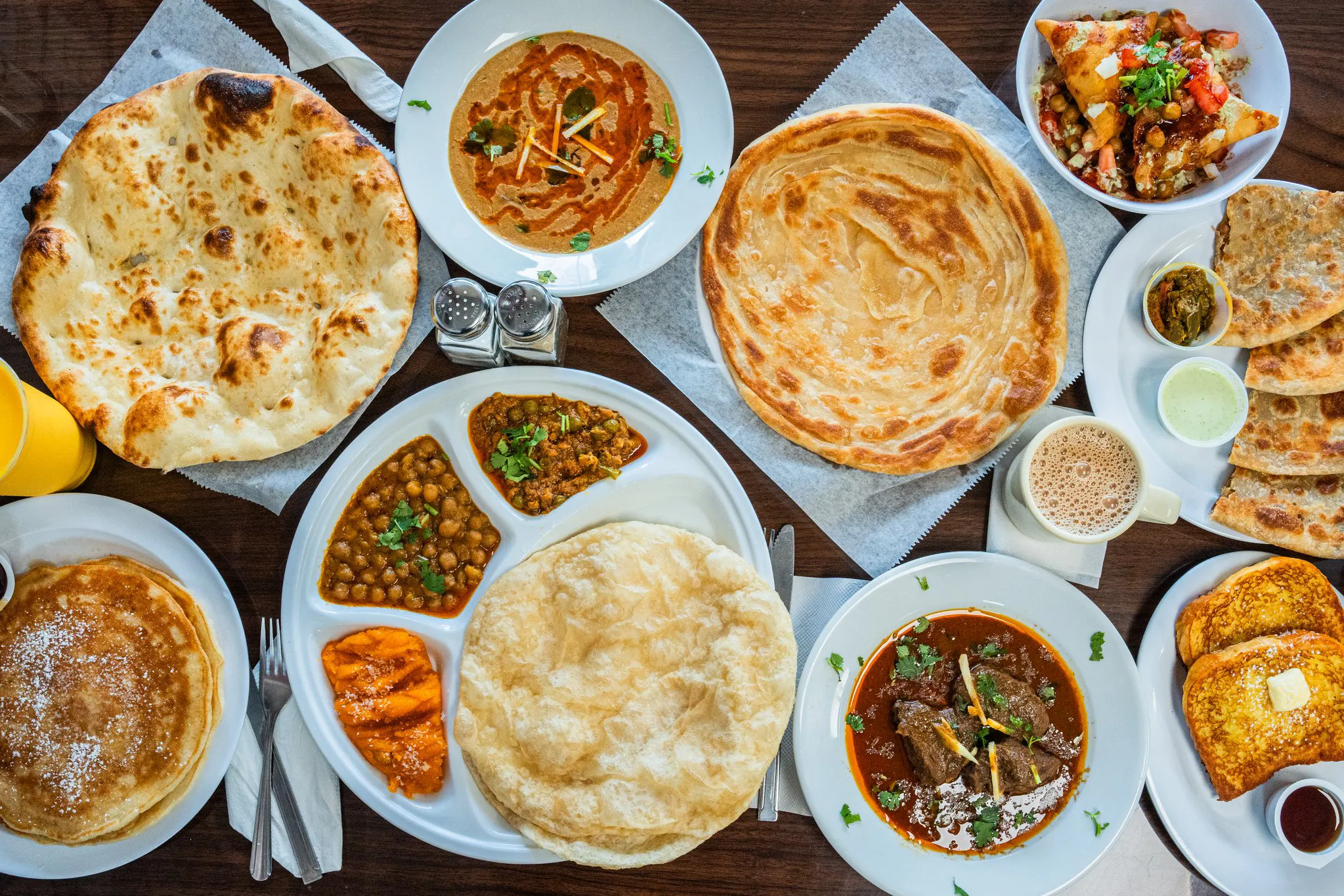
Image: desibreakfastclub.com
Sri Lanka
You’ll find:
- Hoppers (appa), sometimes with egg
- String hoppers with curry
- Coconut-based sambols and curries feature strongly

Image: exploresrilanka.lk
Why it fits: Coconut is a major local ingredient, shaping both savoury and sweet breakfast dishes.
Central Asia: bread, dairy, and warming foods
In parts of Central Asia, breakfast often features:
- Bread (flatbreads, round loaves)
- Dairy (yoghurt, cream, cheeses)
- Tea
- Sometimes porridges or simple egg dishes
Why it fits: Pastoral traditions and colder climates make dairy and bread practical staples.
West Asia: breads, spreads, and savoury plates
Across parts of West Asia, breakfasts can be spread-like and shareable:
- Flatbreads with labneh, cheese, olives, and vegetables
- Ful medames (fava beans) in some areas
- Manakish (flatbread with toppings) in others
Why it fits: Bread-based breakfasts are quick, communal, and built around pantry staples.
Patterns you’ll notice across Asia
1) Savoury is more common than sweet
While sweet breakfasts exist, many Asian breakfasts lean savoury, often with rice, soup, eggs, or breads.
2) Warm breakfasts are normal
Congee, noodle soups, rice soups, and broths appear across multiple regions.
3) Breakfast is often “street food”
In many cities, breakfast is eaten outside the home: freshly cooked, affordable, and fast.
4) Staples matter more than “breakfast rules”
Rather than “cereal vs eggs”, breakfasts are shaped by what’s grown locally: rice, wheat, lentils, coconut, or dairy.
5) Drinks are part of the ritual
Tea and coffee cultures are strong, whether it’s Vietnamese coffee, Hong Kong-style milk tea, chai, or simple green tea.
A quick regional snapshot
- East Asia: rice, soups, small savoury sides
- Southeast Asia: bold flavours, herbs, street breakfasts, noodles
- South Asia: breads or fermented batters, spices, regional diversity
- Central/West Asia: breads, dairy, spreads, tea, hearty staples
Breakfast in Asia isn’t one story, it’s hundreds. The most interesting part is how practical these meals are: they fit the climate, local ingredients, and daily life. Whether it’s a bowl of congee, a plate of nasi lemak, a crisp dosa, or a simple bread-and-tea spread, Asian breakfasts tend to prioritise warmth, comfort, and energy for the day ahead.